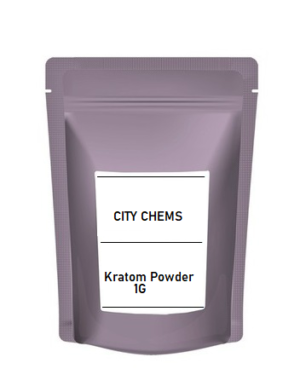
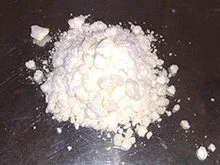
Description
3-MMC (3-Methylmethcathinone) Powder – Research Grade Analytical Standard | biosynlab
Product Details Table
Thank you for reading this post, don't forget to subscribe!
| Specification | Details |
|---|---|
| Brand | biosynlab |
| Product Name | 3-MMC Powder (3-Methylmethcathinone Hydrochloride) |
| CAS Number | 1246816-62-5 |
| IUPAC Name | (RS)-2-(methylamino)-1-(3-methylphenyl)propan-1-one |
| Molecular Formula | C₁₁H₁₅NO |
| Molecular Weight | 177.24 g/mol (HCl salt: 213.70 g/mol) |
| Purity | ≥98.5% (HPLC verified) |
| Appearance | White to off-white crystalline powder |
| Form | Fine crystalline powder / Granular crystals |
| Chirality | Racemic mixture (R/S enantiomers) |
| Solubility | Soluble in water, methanol, DMSO |
| Storage | -20°C, desiccated, away from light |
| Packaging | Amber glass vial with nitrogen purge seal |
| Intended Use | Analytical reference standard, forensic toxicology, neuropharmacology research |
| Documentation | Certificate of Analysis (CoA), SDS, IR/MS spectral data |
| Origin | EU-synthesized, analytical grade facility |
| Shipping | Ambient or cold-chain, compliant documentation |
Introduction: Advanced Synthetic Cathinone Reference Standards for Precision Research
The emergence of novel psychoactive substances (NPS) has created unprecedented challenges for forensic laboratories, toxicology departments, and neuropharmacology researchers worldwide. biosynlab addresses this critical analytical gap with pharmaceutical-grade 3-MMC powder (3-methylmethcathinone hydrochloride)—a rigorously characterized synthetic cathinone reference material designed for quantitative method validation, structural elucidation, and comparative pharmacological research.
As the positional isomer of 4-methylmethcathinone (4-MMC), 3-MMC presents unique analytical challenges that demand high-integrity reference standards. biosynlab’s ≥98.5% purity specification ensures reliable chromatographic separation, accurate mass spectrometric identification, and reproducible research outcomes across USA, European Union, and United Kingdom scientific institutions.
Industrial Applications & Research Methodologies
biosynlab’s 3-MMC analytical standards support mission-critical applications across multiple research domains:
Forensic Toxicology & Seized Substance Analysis
Clinical and forensic laboratories require certified 3-MMC standards for distinguishing positional isomers (3-MMC vs. 4-MMC) using LC-HRAM-Orbitrap-MS, GC-FTIR, and NMR spectroscopy. Our reference materials enable accurate quantification in biological matrices including urine, blood, and post-mortem tissue samples.
Analytical Chemistry Method Development
Chromatography specialists utilize biosynlab 3-MMC for developing chiral separation techniques, validating UHPLC-MS/MS protocols, and establishing retention time libraries for synthetic cathinone screening panels.
Neuropharmacology Research
Academic institutions investigating monoamine transporter interactions, psychostimulant pharmacodynamics, and structure-activity relationships (SAR) depend on consistent, high-purity 3-MMC for in-vitro binding assays and behavioral pharmacology studies.
Imurity Profiling & Synthesis Verification
Pharmaceutical analytical laboratories employ 3-MMC standards as potential synthesis impurities during 4-MMC manufacturing process validation and quality control testing.
Chemical Characteristics & Manufacturing Excellence
biosynlab produces 3-methylmethcathinone through controlled synthetic pathways that minimize contamination from precursor residues, diastereomeric impurities, and oxidative degradation products.
Key Chemical Properties:
- Chiral Center: C-2 carbon generates R and S enantiomers (supplied as racemic mixture)
- Structural Relationship: Positional isomer of 4-MMC (mephedrone)
- Mechanism Class: Synthetic cathinone, monoamine releasing agent
- Stability: 24-month shelf life under recommended storage conditions
Our analytical-grade synthesis protocol includes:
- Multi-step purification achieving ≥98.5% chemical purity
- Comprehensive impurity screening via UHPLC-UV/MS
- Identity confirmation through FTIR, ¹H-NMR, and HRMS
- Chiral analytical capabilities for enantiomeric enrichment studies
- Batch-to-batch consistency documentation
Each production lot is accompanied by a Certificate of Analysis detailing:
- Chromatographic purity assessment
- Residual solvent analysis
- Water content (Karl Fischer)
- Melting point determination
- Spectral verification (IR, NMR, MS)
Geographic Distribution & Market Coverage
biosynlab maintains robust distribution networks serving premier research institutions:
United States Research Corridors:
- Boston/Cambridge: Pharmaceutical analytical laboratories, university research centers
- San Francisco Bay Area: Biotech research facilities, forensic toxicology labs
- Research Triangle (NC): Clinical research organizations, analytical method development
- Seattle: Emerging NPS research programs, public health laboratories
- New York/New Jersey: Academic medical centers, forensic science services
European Union Research Hubs:
- Amsterdam/Rotterdam: Forensic institutes, drug monitoring programs
- Berlin: Toxicology laboratories, analytical chemistry research
- Barcelona: Neuropharmacology research, university laboratories
- Copenhagen: NPS surveillance programs, clinical toxicology
- Zurich/Geneva: Pharmaceutical quality control, reference standard suppliers
United Kingdom Scientific Centers:
- London: Forensic Science Service, academic toxicology departments
- Manchester: University research laboratories, public health England facilities
- Oxford/Cambridge: Pharmacology research, analytical method validation
- Edinburgh/Glasgow: Scottish forensic science, clinical laboratories
- Bristol: Synthetic chemistry research, NPS identification programs
Regulatory Framework & Compliance
biosynlab operates within established legal frameworks governing novel psychoactive substances:
Legal Classification Status:
- USA: 3-MMC is not federally scheduled but may be regulated under Federal Analogue Act; state-level controls vary
- European Union: Controlled under NPS regulations in multiple member states; legal status varies by country
- United Kingdom: Class B controlled substance under Psychoactive Substances Act and Misuse of Drugs Act
Responsible Supply Protocols:
biosynlab exclusively distributes 3-MMC reference materials to verified entities including:
- Accredited forensic laboratories
- Licensed pharmaceutical analytical facilities
- University research departments with appropriate authorizations
- Clinical toxicology laboratories
All shipments require end-user declarations, institutional verification, and compliance with destination country regulations.
Responsible Research Disclaimer
biosynlab 3-MMC products are STRICTLY INTENDED FOR RESEARCH, ANALYTICAL, AND FORENSIC APPLICATIONS ONLY.
IMPORTANT LEGAL NOTICE: 3-Methylmethcathinone is classified as a controlled substance or regulated novel psychoactive substance in numerous jurisdictions including the United Kingdom and various European Union member states. In the United States, 3-MMC may be subject to prosecution under the Federal Analogue Act.
biosynlab products are NOT FOR HUMAN CONSUMPTION, IN-VIVO ADMINISTRATION, OR ANY APPLICATION VIOLATING APPLICABLE LAWS. Purchasers assume full responsibility for regulatory compliance, proper handling, and lawful use within their jurisdiction. Misuse of research chemicals may result in serious health consequences and legal penalties.
Safety Information: Synthetic cathinones may pose significant health risks including cardiovascular complications, hyperthermia, and neurotoxicity. Appropriate personal protective equipment (PPE) and laboratory safety protocols are mandatory when handling reference materials.