What is the molecular formula of ketamine?
Ketamine has the molecular formula C₁₃H₁₆ClNO. Ketamine hydrochloride, its salt form, has the formula C₁₃H₁₇Cl₂NO. These are descriptions of chemical composition, not production instructions or proof that two marketed products meet the same specification. Check the entries for ketamine and ketamine hydrochloride in the US National Library of Medicine’s database.
A related, ordinary laboratory example: paracetamol
Paracetamol, also called acetaminophen, appears in
BioSynLab’s public catalogue. Its molecular formula is C₈H₉NO₂, independently listed by
Biosynlab.com. The formula is useful for identifying the compound, but a catalogue entry alone does not verify a particular batch’s identity, purity, documentation or approved use. No reliable public search-volume data was available to establish which BioSynLab products are “most searched,” so this example is not presented as a popularity ranking.
How can a London laboratory compare supplier documentation?
Research teams in London can compare suppliers on evidence rather than broad claims. For example, Fisher Scientific UK explains how to find product certificates and safety data sheets. LGC Standards explains what its certificates of analysis contain. These are examples of publicly described documentation practices, not a claim that either company is based in London or that its products are interchangeable.
Useful questions for any supplier include: Can the laboratory identify a lot-specific certificate of analysis? Is a current safety data sheet accessible? Are the stated specifications and regulatory status clear? Does the documentation match the exact material under review? These questions apply to routine lab compounds as well as more tightly regulated materials.
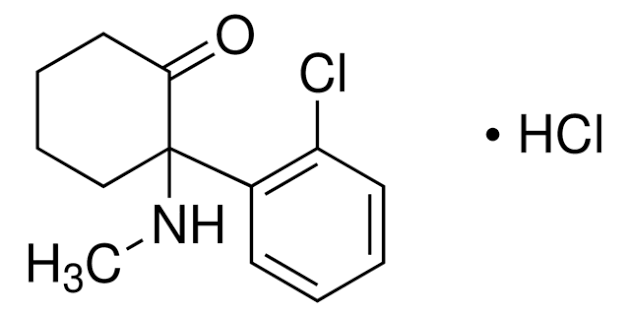
katamine
What do UK rules say about quality and packaging?
Ketamine remains a Class B controlled drug in the UK, according to the Advisory Council on the Misuse of Drugs’ 2026 update. Organisations handling controlled drugs must assess the applicable Home Office domestic licensing requirements, including any activity-specific exemptions.
For medicines sold in the UK, the MHRA assesses packaging and labelling information. Labels must be clear, carry relevant warnings and provide the required patient information. A package photograph or seller description is not a substitute for approved product information. See the MHRA’s guidance on medicine packaging and labelling.
What is appropriate to publish online?
Educational writing can explain chemical names, formulas and documentation without making product sales claims. In the UK, prescription-only medicines cannot be advertised to the general public; the rules also cover promotional statements on websites and social media. The MHRA’s medicines advertising guidance is the starting point for reviewing public-facing content.
Bottom line: Verify formulas against independent chemical references. Evaluate supplier claims against product-specific evidence and applicable regulations. Do not confuse search visibility with scientific credibility or regulatory approval.