Description
BUY SHROOMS (PSILOCYBIN) POWDER: INDUSTRIAL GRADE SUPPLIES FOR RESEARCH APPLICATIONS
Psilocybin Powder (4-phosphoryloxy-N,N-dimethyltryptamine) represents the primary psychoactive alkaloid found in psychedelic mushrooms (Psilocybe species) that has emerged as a breakthrough therapeutic candidate for depression, anxiety, and addiction treatment. As a naturally occurring tryptamine prodrug that converts to psilocin in vivo, psilocybin offers unique insights into serotonergic neurotransmission, neuroplasticity, and the therapeutic potential of psychedelic-assisted therapy. Biosynlab delivers pharmaceutical-grade synthetic psilocybin with certified ≥99.0% purity, supporting cutting-edge research across USA (DEA Schedule I licensed institutions), United Kingdom, European Union, and international clinical and scientific markets.
The phosphoryloxy substitution at the 4-position of the indole ring creates a prodrug with enhanced stability and bioavailability compared to psilocin, its dephosphorylated active metabolite. This structural configuration produces the characteristic psychedelic effects including altered perception, mystical experiences, and neuroplastic changes that have made psilocybin invaluable for comparative studies with other serotonergic compounds including LSD, DMT, and MDMA. Research institutions in London, Berlin, Amsterdam, New York, and Baltimore (Johns Hopkins Center for Psychedelic and Consciousness Research) utilize Biosynlab psilocybin for Phase 2/3 clinical trials, neuropharmacological research, and the development of novel psychiatric treatments.
Chemical Properties & Structural Characterization
4-phosphoryloxy-N,N-dimethyltryptamine belongs to the tryptamine alkaloid chemical class, specifically the phosphorylated psilocin subclass characterized by a phosphate ester at the 4-position of the indole ring.
Key Structural Features:
- Core Scaffold: N,N-dimethyltryptamine (DMT) backbone with 4-substitution
- Substitution: Phosphoryloxy (-OPO₃H₂) at 4-position of indole
- Prodrug Properties: Rapidly dephosphorylated to psilocin (4-HO-DMT) by alkaline phosphatases
- Stereochemistry: Planar indole system, no chiral centers
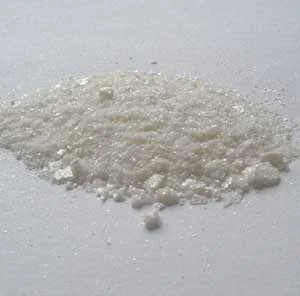
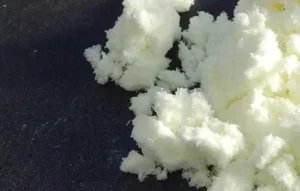
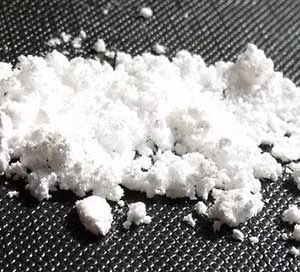
- Physical State: Crystalline powder (highly stable)
- Stability: More stable than psilocin due to phosphate protection
Analytical Characteristics:
- UV Absorption: 267 nm, 280 nm, 294 nm (indole fine structure)
- Retention Time (HPLC): 4.8-5.5 minutes (C18 column, acidic mobile phase)
- Mass Spec m/z: 285.1 [M+H]+, 205.1 [psilocin fragment, M+H-H₃PO₄]+, 160.1 [indole fragment]+
- NMR Signatures: N,N-dimethyl singlet (2.4-2.6 ppm), ethylamine protons (2.6-3.1 ppm), indole protons (6.8-7.5 ppm), phosphate exchangeable (broad, 9-11 ppm)
Research Applications & Scientific Utility
Clinical Depression & Anxiety Research:
Psilocybin serves as an investigational drug for:
- Phase 2/3 clinical trials for treatment-resistant depression (COMPASS Pathways, Usona Institute)
- FDA Breakthrough Therapy designation studies
- Psilocybin-assisted psychotherapy protocols
- End-of-life anxiety and depression in cancer patients
- Obsessive-compulsive disorder (OCD) treatment research
- Comparison with SSRIs and traditional antidepressants
Neuropharmacology & Neuroplasticity:
Research applications include:
- 5-HT₂A receptor agonism and downstream signaling
- Default mode network (DMN) disruption and connectivity changes
- Neurogenesis and synaptogenesis induction
- Anti-inflammatory effects (TNF-α suppression)
- Fear extinction and memory reconsolidation
- Comparison with ketamine and other rapid-acting antidepressants
Addiction Treatment Research:
- Alcohol use disorder (AUD) treatment trials
- Tobacco smoking cessation (Johns Hopkins research)
- Cocaine addiction treatment protocols
- Mechanism of action in addiction interruption
Neuroimaging & Consciousness Research:
- fMRI and PET imaging studies of psychedelic states
- Neural correlates of mystical experiences
- Consciousness and perception research
- Therapeutic mechanism elucidation
Forensic & Analytical Chemistry:
- Mushroom identification and quantification
- Designer tryptamine monitoring
- Post-mortem toxicology case work
- Reference standard for seized sample analysis
Synthesis & Quality Control Protocols
Biosynlab’s psilocybin production adheres to rigorous pharmaceutical-grade standards:
Synthetic Route:
- Starting Material: 4-hydroxyindole or psilocin (appropriately sourced)
- Protection/Activation: Phosphorylation of 4-hydroxy group
- Phosphorylation: Reaction with phosphoryl chloride or phosphate donor
- N,N-Dimethylation: Installation of dimethylamine moiety
- Purification: Recrystallization and chromatography
- Drying: Vacuum desiccation under inert atmosphere
Analytical Verification:
- HPLC-PDA: Purity ≥99.0%, impurity profiling (psilocin, baeocystin, norbaeocystin) <0.5%
- ¹H NMR (400 MHz): Complete structural assignment, phosphate confirmation
- ³¹P NMR: Phosphorus environment verification (characteristic chemical shift)
- ¹³C NMR (100 MHz): Carbon environment verification
- LC-MS/MS: Molecular weight confirmation, fragmentation to psilocin
- FTIR-ATR: Phosphate stretches (1000-1100 cm⁻¹), indole confirmation
- DSC: Thermal stability assessment (decomposition without melting)
- TGA: Thermal gravimetric analysis
- Residual Solvent: GC-HS per ICH Q3C guidelines
- Heavy Metals: ICP-MS for Class 1 and 2 elements
- Water Content: Karl Fischer titration
Stability Considerations:
- Light sensitive: Photodegradation of indole system
- Temperature sensitive: Requires frozen storage for long-term
- Hydrolysis risk: Can dephosphorylate to psilocin in aqueous solution
- Oxidation sensitive: Indole ring susceptible to oxidative degradation
Batch Documentation:
- Certificate of Analysis (COA) with complete analytical data
- Material Safety Data Sheet (MSDS) with handling protocols
- DEA Schedule I documentation (USA)
- Stability testing data (accelerated and real-time)
- Chain of custody documentation
Packaging, Storage & Logistics
Primary Containment:
- Amber Type I borosilicate glass vials (100mg-5g capacity)
- PTFE-faced butyl rubber septa with aluminum crimp seals
- Argon or nitrogen headspace to prevent oxidation
- Heat-sealed aluminum foil outer pouches (light-proof)
- Multiple indicating silica gel desiccant packets
- Vacuum-sealed secondary packaging
Secondary Packaging:
- Light-proof rigid containers
- Plain unmarked cardboard exterior
- Temperature-controlled packaging with phase-change materials
- Shock-absorbing materials
Storage Specifications:
- Recommended: -20°C freezer, desiccated, inert atmosphere
- Short-term: -80°C for long-term archival
- Ambient: Not recommended (rapid degradation)
- Stability: 12+ months at -20°C with proper handling
- Light Protection: Critical – complete darkness required
Handling Protocols:
- DEA Schedule I facility required (USA)
- Vault storage with dual-lock security
- Comprehensive inventory tracking (weighed, perpetual)
- Fume hood mandatory for handling
- Light-protected handling (amber glassware or darkroom)
- Inert atmosphere handling recommended
- Nitrile gloves, safety goggles, lab coat required
Global Distribution & Regional Availability
Biosynlab ships psilocybin only to appropriately licensed research institutions:
United States (DEA Schedule I – Licensed Institutions Only):
Johns Hopkins University, NYU Langone, UCSF, University of Washington, COMPASS Pathways trials, Usona Institute, DEA-registered forensic laboratories
United Kingdom:
Imperial College London (Centre for Psychedelic Research), University of Bristol, licensed research institutions
European Union:
Maastricht University, University of Zurich, Charité Berlin, COMPASS Pathways European sites, licensed clinical trial centers
Canada:
Health Canada Section 56 exemptions, licensed institutions
Shipping Specifications:
- DEA Schedule I shipping protocols (USA)
- Light-protected and temperature-controlled shipping (dry ice)
- Chain of custody documentation
- Signature confirmation mandatory
- Insurance coverage required