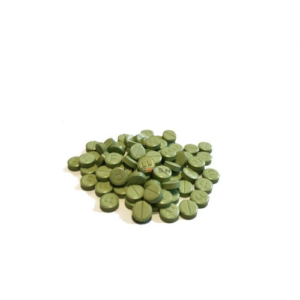
2C-B-FLY
Research Information Table
2C-B-FLY Research Overview: Safety, Legal Status, and Analytical Context
Interest in psychedelic research chemicals has increased across forensic science, toxicology, neuroscience, public health, and drug policy research. One compound that appears in these discussions is 2C-B-FLY, a psychedelic phenethylamine analogue often mentioned in relation to new psychoactive substances and substituted phenethylamine research.
Because 2C-B-FLY is associated with psychoactive effects and may fall under controlled substance, analogue, or psychoactive substance laws, it requires careful, compliance-focused discussion. BioSynLab provides this educational overview for readers in the USA, UK, and Europe who want a clear introduction to 2C-B-FLY from a safety, legal, and analytical research perspective.
Introduction
2C-B-FLY is commonly discussed as part of the broader family of psychedelic phenethylamine analogues. Compounds in this category are monitored by forensic laboratories, toxicologists, public health agencies, and regulatory bodies because they may appear in unregulated markets and may present significant health and legal risks.
It is important to be clear: 2C-B-FLY is not a wellness product, supplement, consumer chemical, or approved medicine. It should not be promoted for human or animal consumption. Responsible content about 2C-B-FLY should focus on lawful research awareness, analytical identification, toxicology, public safety, and regulatory compliance.
What Is 2C-B-FLY?
2C-B-FLY is a synthetic psychedelic compound structurally related to the 2C family of substituted phenethylamines. In beginner-friendly terms, this means it belongs to a group of compounds known for affecting perception, mood, sensory processing, and cognition.
The “FLY” name is commonly associated with structural features that distinguish it from simpler phenethylamine compounds. Because small structural changes can significantly affect potency, duration, risk profile, and legal classification, 2C-B-FLY should be treated as a high-risk research topic rather than a general-use laboratory material.
Showing the single result