
3-CL-PCP
3-Cl-PCP HCl (3-Chlorophencyclidine) (CAS 1934-43-6) — High-Purity Research Chemical
Product Summary
3-Chloro-PCP hydrochloride, formally known as 1-[1-(3-chlorophenyl)cyclohexyl]piperidine hydrochloride and identified by CAS Registry Number 1934-43-6 (HCl salt), is a high-purity arylcyclohexylamine-class research chemical available at BiosynLab.com for qualified laboratory and in-vitro research applications. 3-Cl-PCP (also designated 3′-Cl-PCP) is a structural analogue of phencyclidine (PCP) in which the phenyl ring bears a chlorine substituent at the meta (3-) position. It belongs to the arylcyclohexylamine family of dissociative NMDA receptor antagonists, a class of significant scientific interest due to its relevance to glutamatergic neurotransmission research and its structural relationship to PCP, ketamine, and related compounds. Published pharmacological data indicate that 3-Cl-PCP exhibits comparable potency to PCP, with somewhat greater potency as an NMDA receptor antagonist and similar potency as a dopamine reuptake inhibitor. Each batch is synthesized under controlled conditions and independently verified through third-party analytical testing to confirm identity, purity, and consistency. Our 3-Cl-PCP HCl is supplied with a complete Certificate of Analysis (COA) documenting purity percentage, analytical methods used, and quality control results, ensuring full traceability from synthesis to shipment.
BiosynLab.com is committed to supplying research-grade compounds that meet the rigorous demands of academic, pharmaceutical, and industrial research institutions. Whether your work involves NMDA receptor binding studies, arylcyclohexylamine structure-activity relationship (SAR) research, dopamine transporter pharmacology, or analytical method development, 3-Cl-PCP HCl from BiosynLab is produced to deliver reproducible, publication-quality results.
Chemical & Physical Properties
|
Property
|
Details
|
|
|---|---|---|
|
Chemical Name (IUPAC, free base)
|
1-[1-(3-chlorophenyl)cyclohexyl]piperidine
|
|
|
Common Name(s)
|
3-Cl-PCP; 3′-Cl-PCP; 3-chloro-PCP; 3-chlorophencyclidine
|
|
|
CAS Number (free base)
|
2201-32-3
|
|
|
CAS Number (HCl salt)
|
1934-43-6
|
|
|
PubChem CID (free base)
|
125502037
|
|
|
UNII (free base)
|
BG2WV34L9L
|
|
|
Molecular Formula (free base)
|
C17H24ClN
|
|
|
Molecular Formula (HCl salt)
|
C17H24ClN · HCl
|
|
|
Molecular Weight (free base)
|
277.8 g/mol
|
|
|
Molecular Weight (HCl salt)
|
314.3 g/mol
|
|
|
Appearance
|
White to off-white crystalline solid
|
|
|
Purity
|
≥ 98% (determined by HPLC)
|
|
|
Solubility
|
Soluble in DMSO, ethanol, and methanol; HCl salt soluble in aqueous media
|
|
|
LogP (XLogP3, free base)
|
4.3
|
|
|
Topological Polar Surface Area
|
3.2 Ų
|
|
|
Hydrogen Bond Donors (free base)
|
0
|
|
|
Hydrogen Bond Acceptors (free base)
|
1
|
|
|
Rotatable Bonds
|
2
|
|
|
SMILES (free base)
|
C1CCC(CC1)(C2=CC(=CC=C2)Cl)N3CCCCC3
|
|
|
InChIKey
|
HUHBTESMMFLCAN-UHFFFAOYSA-N
|
|
|
Storage Conditions
|
Store at −20°C, protected from light and moisture
|
|
|
Shelf Life
|
24 months from manufacture date when stored as directed
|
Synthesis & Quality Control
Every batch of 3-Cl-PCP HCl produced at BiosynLab is manufactured in compliance with stringent quality management protocols. Our synthesis pipeline follows documented standard operating procedures (SOPs), and each production run undergoes multi-stage quality verification before release.
Analytical testing typically includes:
- High-Performance Liquid Chromatography (HPLC) for purity quantification
- Nuclear Magnetic Resonance (NMR) spectroscopy (1H and 13C) for structural identity confirmation, with particular attention to the 3-chloro ring substitution pattern and verification of the piperidine and cyclohexyl ring systems
- High-Resolution Mass Spectrometry (HRMS / LC-Q-TOF-MS) for molecular weight and formula verification
- Gas Chromatography–Mass Spectrometry (GC-MS) for impurity profiling and structural confirmation, including detection of regioisomeric arylcyclohexylamine impurities (2-Cl-PCP, 4-Cl-PCP)
- Liquid Chromatography–Photodiode Array–Mass Spectrometry (LC-PDA-MS) for chromatographic purity and UV spectral confirmation
- Melting point determination for solid-form characterization
- Residual solvent analysis in accordance with ICH Q3C guidelines
- Heavy metal screening to confirm compliance with safety thresholds
- Isomeric purity verification to confirm the 3-chloro positional isomer and exclude 2- and 4-chloro isomers
- Residual amine and precursor screening to detect synthetic intermediates
A full Certificate of Analysis accompanies every order and is available for download from your BiosynLab.com account or upon request prior to purchase.
Showing the single result
-
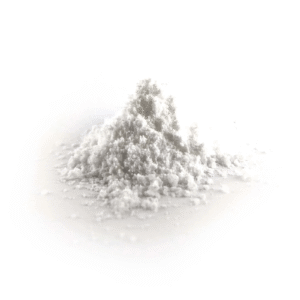
3-CL-PCP Crystal
$36.00 Select options This product has multiple variants. The options may be chosen on the product page