
3-FMA
PRODUCT DETAILS TABLE
| Specification | Details |
|---|---|
| Brand | Biosynlab |
| Product Name | 3-FMA (3-Fluoromethamphetamine) |
| IUPAC Name | 1-(3-fluorophenyl)-N-methylpropan-2-amine |
| CAS Number | 351-03-1 |
| Molecular Formula | C₁₀H₁₄FN |
| Molecular Weight | 167.23 g/mol |
| Chemical Class | Fluorinated substituted amphetamine / Phenethylamine derivative |
| Purity | ≥99.2% (HPLC Verified) |
| Appearance | White to off-white crystalline powder |
| Melting Point | 215-218°C (hydrochloride salt) |
| Solubility | Soluble in ethanol, methanol, DMSO; sparingly soluble in water |
| Storage | -20°C, desiccated, away from light |
| Packaging | Amber glass vial with PTFE seal |
| Quantities | 250mg, 500mg, 1g, 5g, 10g, 25g, bulk |
| Analysis | COA, NMR, MS, FTIR included |
| Shipping | Express courier, tracked |
| Regions | USA, UK, Germany, Netherlands, EU, Australia, Canada |
Introduction
3-FMA (3-Fluoromethamphetamine) represents a cutting-edge fluorinated amphetamine derivative increasingly utilized in neuropharmacological research and analytical chemistry applications. As a structural analog of methamphetamine featuring a fluorine substituent at the 3-position of the phenyl ring, 3-FMA offers unique pharmacokinetic properties that make it valuable for receptor binding studies and structure-activity relationship (SAR) investigations. Biosynlab delivers pharmaceutical-grade 3-FMA with certified ≥99.2% purity, supporting research institutions across the USA, United Kingdom, European Union, and beyond.
The strategic fluorination of the phenyl ring in 3-FMA alters lipophilicity, metabolic stability, and binding affinity compared to non-fluorinated parent compounds. This structural modification creates distinct pharmacological properties that researchers are actively characterizing through in vitro assays and receptor profiling studies. Biosynlab’s synthesis and analytical protocols ensure batch-to-batch consistency critical for reproducible scientific outcomes.
Chemical Properties & Structural Analysis
3-Fluoromethamphetamine belongs to the phenethylamine chemical class, specifically the substituted amphetamine subclass. The addition of the electronegative fluorine atom at the meta position creates electron-withdrawing effects that influence the compound’s interaction with monoamine transporters and receptors.
Showing all 2 resultsSorted by popularity
-
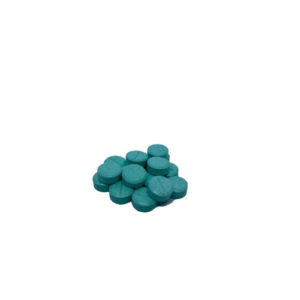
3-FMA Pellets – 50mg
Price range: $10.25 through $125.00 Select options This product has multiple variants. The options may be chosen on the product page -
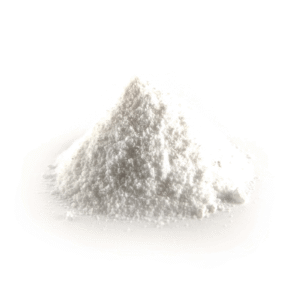
3-FMA Powder
$20.00 Add to cart