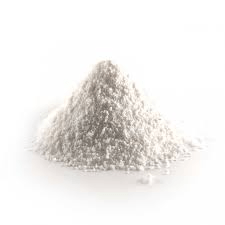
3-HO-PCP
3-HO-PCP (3-Hydroxyphencyclidine)
represents a sophisticated hydroxylated arylcyclohexylamine compound that has emerged as a critical tool in neuropharmacological research examining NMDA receptor antagonism and dissociative anesthetic pharmacology. As a structural analog of phencyclidine (PCP) featuring a hydroxyl substituent at the 3-position of the phenyl ring, 3-HO-PCP offers distinct pharmacokinetic and pharmacodynamic properties that differentiate it from the parent compound and other positional isomers. Biosynlab delivers analytical-grade 3-HO-PCP with certified ≥99.0% purity, supporting cutting-edge research across USA, United Kingdom, European Union, and international scientific markets.
The strategic hydroxylation at the meta position fundamentally alters the compound’s lipophilicity, hydrogen bonding capability, and metabolic profile compared to unsubstituted PCP. This structural modification creates unique pharmacological characteristics that make 3-HO-PCP invaluable for comparative studies with other arylcyclohexylamines including 3-MeO-PCP, 3-HO-PCE, O-PCP, and ketamine analogs. Researchers at institutions in London, Berlin, Amsterdam, New York, and San Francisco utilize Biosynlab 3-HO-PCP for investigations into glutamatergic neurotransmission, contributing to the broader understanding of dissociative mechanisms and potential therapeutic applications in treatment-resistant depression and neuropathic pain.
Chemical Properties & Structural Characterization
3-Hydroxyphencyclidine belongs to the arylcyclohexylamine chemical class, characterized by a cyclohexylamine ring attached to a substituted phenyl group, with a piperidine moiety completing the tricyclic scaffold. The hydroxyl functional group introduces significant physicochemical changes that impact biological activity.
Key Structural Features:
- Core Scaffold: Arylcyclohexylamine with piperidine substitution (PCP backbone)
- Hydroxy Position: 3-position (meta) on aromatic phenyl ring
- Stereochemistry: Racemic mixture; chiral center at cyclohexyl carbon
- Salt Form: Hydrochloride (HCl) for enhanced stability and handling
- Physical State: Crystalline solid with characteristic melting behavior
Analytical Characteristics:
- UV Absorption: 270-280 nm (phenolic chromophore)
- Retention Time (HPLC): 14.2-15.1 minutes (C18 column, gradient method)
- Mass Spec m/z: 260.2 [M+H]+ (base peak), 242.2 [M+H-H₂O]+
- NMR Signatures: Characteristic phenolic proton (broad singlet, exchangeable), aromatic protons (6.6-7.2 ppm), piperidine protons (1.4-3.1 ppm
Showing the single result