
Cannabinoids
Cannabinoids | Synthetic Cannabinoid Analytical Reference Standards
Pharmaceutical Cannabinoids: FDA-approved medications like dronabinol (Marinol), nabilone (Cesamet), and cannabidiol (Epidiolex) that are used to treat specific medical conditions.
Research Chemicals: Novel synthetic cannabinoids developed for studying the endocannabinoid system and potential therapeutic applications. These include compounds like CP 55,940, WIN 55,212-2, and various aminoalkylindoles.
Recreational Synthetic Cannabinoids: Compounds like those found in “Spice” or “K2” that were designed to mimic THC’s effects but often have unpredictable and dangerous side effects due to their potency and variable receptor binding profiles.
Key facts for category page content:
Showing all 8 resultsSorted by popularity
-

JWH-210
Price range: $43.98 through $32,000.00 Select options This product has multiple variants. The options may be chosen on the product page -
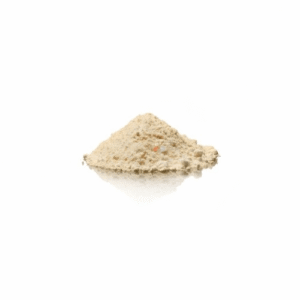
ADB-BUTINACA
Price range: $63.80 through $16,950.00 Select options This product has multiple variants. The options may be chosen on the product page -

CBD Powder
Price range: $45.90 through $373.75 Select options This product has multiple variants. The options may be chosen on the product page -

CBD Pills – 25mg
Price range: $22.50 through $250.00 Select options This product has multiple variants. The options may be chosen on the product page -

6-CL-ADBA
$50.00 Add to cart -

7-ADD
$18.00 Add to cart -

7-ABF
Price range: $32.00 through $770.00 Select options This product has multiple variants. The options may be chosen on the product page -
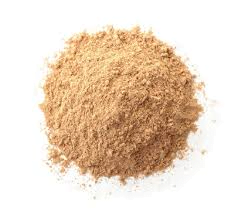
5BR-ADB-INACA Powder
Price range: $35.90 through $895.00 Select options This product has multiple variants. The options may be chosen on the product page