
Fluorexetamine (FXE)
Fluorexetamine / FXE Research Information
Fluorexetamine, commonly abbreviated as FXE, is a research chemical associated with arylcyclohexylamine-related laboratory studies. This page from BiosynLab.com provides neutral, safety-focused, and compliance-oriented information for qualified researchers, analytical laboratories, forensic institutions, and professional scientific environments.
FXE is intended strictly for legitimate laboratory research and analytical reference purposes where permitted by law. It is not intended for human consumption, animal use, recreational use, self-experimentation, clinical use, medical treatment, diagnosis, or unauthorized resale.
Research-Use-Only Notice
Any Fluorexetamine or FXE-related material listed by BiosynLab.com should be handled only by trained professionals in properly equipped laboratory environments. Researchers must follow applicable laws, institutional safety policies, and chemical handling standards before acquiring, storing, or using this compound.
BiosynLab.com does not provide dosage guidance, consumption instructions, medical advice, therapeutic claims, or descriptions of personal effects. This information is provided only for lawful scientific review, analytical documentation, and laboratory safety awareness.
Product Identification
A responsible FXE product listing should include verified compound details and batch-specific documentation. Because naming conventions for research chemicals can vary, laboratories should confirm identity information before publication, purchase, transfer, or use.
Recommended product fields include:
- Product Name: Fluorexetamine
- Common Name: FXE
- Product Category: Arylcyclohexylamine-related research compound
- Intended Use: Laboratory research only
- CAS Number: Confirm before publication
- Molecular Formula: Confirm before publication
- Molecular Weight: Confirm before publication
- Form: Powder, crystalline material, or batch-specific form
- Purity: Batch-specific only
- Documentation: COA and SDS, when available
- Storage: Cool, dry, secure laboratory environment
- Supplier Reference: BiosynLab.com
- Use Restriction: Not for human or animal consumption
All product information should be confirmed against reliable batch records and supplier documentation before being displayed publicly.
Laboratory Research Context
In professional research environments, Fluorexetamine may be referenced for analytical testing, compound identification, reference comparison, forensic research, impurity profiling, and method development. These activities are typically performed by qualified laboratories using validated scientific procedures and suitable analytical instruments.
Research involving FXE may include chemical characterization, structural comparison, purity assessment, or reference-based analysis. Any work involving this compound should remain within controlled, lawful, and professionally supervised research conditions.
This content does not encourage personal use or unauthorized handling. It is intended only to support responsible laboratory documentation and compliance-focused review.
Quality and Documentation
Accurate documentation is essential when working with research chemicals, especially compounds that may be legally sensitive or restricted in some jurisdictions. Where applicable, BiosynLab.com may provide supporting documentation to help laboratories verify product details and maintain internal records.
Useful documentation may include:
- Certificate of Analysis
- Safety Data Sheet
- Batch number
- Purity statement
- Identity confirmation data
- Storage recommendations
- Handling precautions
- Packaging details
Researchers should review all available documentation before use and confirm that the material matches the intended research requirement. Avoid relying on broad claims unless they are supported by batch-specific analysis.
Handling and Storage
Fluorexetamine-related materials should be handled with caution. Laboratory personnel should use suitable personal protective equipment, including gloves, protective eyewear, lab coat, and respiratory protection where required by the laboratory safety assessment.
Store the material in a tightly sealed container in a cool, dry, secure, and well-ventilated laboratory area. Keep away from direct sunlight, heat, moisture, food, beverages, open flames, and unauthorized access. Storage should follow institutional chemical safety policies and any instructions provided in the Safety Data Sheet.
Avoid inhalation, ingestion, skin contact, and eye contact. Do not taste, smell directly, consume, apply, or use this material outside a professional laboratory setting.
Showing the single result
-
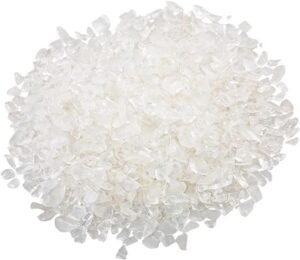
Fluoroexetamine (FXE) Crystal
Price range: $50.00 through $650.00 Select options This product has multiple variants. The options may be chosen on the product page