
Description
1V-LSD Micro Pellets – 10mcg | BioSynLab Research Information
Product Details Table
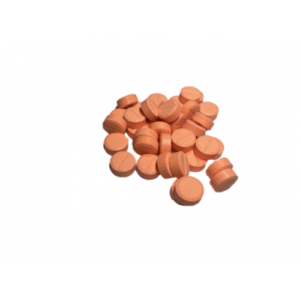
The “10mcg micro pellet” description refers to the labeled presentation of the material and should not be interpreted as use guidance. BioSynLab does not provide consumption instructions, dosage advice, medical recommendations, or recreational information. Any handling of lysergamide research compounds must follow institutional safety procedures, legal review, and qualified supervision.
In the USA, UK, and European markets, lysergamide-related substances may be controlled directly, restricted under analogue laws, or subject to national psychoactive substance legislation. This means legality can vary significantly by country, state, region, and intended use. Before any acquisition, storage, testing, transport, or disposal, organizations must verify current legal requirements with competent regulatory or legal professionals.
From an industrial and laboratory perspective, documentation is essential. A professional research chemical record should include product name, batch number, declared content, purity reference, analytical confirmation, packaging date, storage guidance, and supplier identification. Where applicable, a Certificate of Analysis may support traceability and help laboratories evaluate identity and consistency.
Analytical testing may involve advanced laboratory techniques such as LC-MS/MS, HPLC, NMR, FTIR, or high-resolution mass spectrometry. These methods help confirm compound identity, detect impurities, assess consistency, and support forensic or regulatory workflows. Only trained personnel using validated equipment should perform this type of analysis.
Packaging and presentation are also important for safety and compliance. Research micro pellets should be sealed, clearly labeled, tamper-evident, and stored in a secure environment. Labels should avoid consumer-oriented language and should clearly state “laboratory research only” or equivalent wording. Secure access control helps prevent diversion, misuse, accidental exposure, or unauthorized handling.
For beginner readers, it is important to understand that “research chemical” does not mean safe, approved, or suitable for personal use. It simply means the material may be studied in scientific contexts where permitted by law. Research chemicals may have unknown toxicity, unpredictable potency, limited human safety data, and serious regulatory risks.
BioSynLab emphasizes responsible chemical stewardship across laboratory and industrial research workflows. This includes controlled storage, restricted access, documented chain of custody, safety data review, protective equipment, spill-response planning, and compliant disposal. These practices protect researchers, institutions, and the public.
In forensic and regulatory contexts, 1V-LSD-related information may help professionals understand emerging substance trends, update detection methods, compare analytical signatures, or support public health monitoring. However, such work should remain non-promotional, evidence-based, and aligned with legal requirements.
Packaging and Presentation
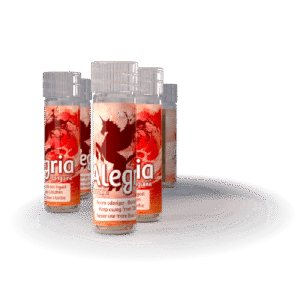
BioSynLab research materials should be presented in sealed, tamper-evident packaging with clear laboratory-use-only labeling. Packaging may include batch identification, declared content, product name, storage instructions, hazard language, and documentation references.
The product should not be packaged or described in a way that appeals to recreational consumers. Professional presentation should prioritize traceability, compliance, safety, and restricted laboratory handling.