Description
BIOSYNLAB 2C-C Pellets – 30mg Analytical Reference Standard
Thank you for reading this post, don't forget to subscribe!
Product Details Table
| Specification | Details |
|---|---|
| Brand | BIOSYNLAB Research Compounds |
| Product Name | 2C-C (4-Chloro-2,5-dimethoxyphenethylamine) Pellets |
| IUPAC Name | 2-(4-Chloro-2,5-dimethoxyphenyl)ethanamine |
| CAS Number | 88441-15-0 (hydrochloride salt) |
| Molecular Formula | C₁₀H₁₄ClNO₂ |
| Molecular Weight | 215.68 g/mol (freebase); 252.17 g/mol (HCl salt) |
| Purity Grade | ≥98% (HPLC verified) |
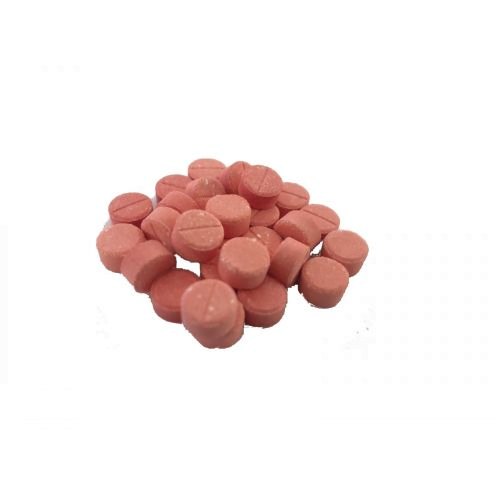
| Formulation | 30mg precision pellets (microcrystalline cellulose binder) |
| Appearance | White to off-white cylindrical pellets |
| Chemical Class | Phenethylamine; 2C-X series compound |
| Mechanism | 5-HT₂A receptor agonist; monoamine modulator |
| Packaging | Amber glass vials, argon-purged, desiccated, tamper-evident |
| Storage | -20°C freezer, light-protected, moisture-free |
| Batch Analysis | COA, HPLC chromatogram, NMR data available |
| Origin | GMP-certified synthesis facility |
| Shipping | Cold-chain logistics, customs documentation included |
Serotonergic Pharmacology: Advanced Phenethylamine Research Standards
Are you conducting receptor binding assays, forensic toxicology analysis, or structure-activity relationship studies on phenethylamine derivatives? BIOSYNLAB delivers analytical-grade 2C-C pellets—synthesized to exacting specifications for analytical chemistry, neuropharmacological research, and forensic laboratories across the USA, Europe, and United Kingdom markets.
2C-C (4-chloro-2,5-dimethoxyphenethylamine) represents a critical reference compound within the 2C-X phenethylamine series, first documented by Alexander Shulgin in PiHKAL. This chlorinated dimethoxyphenethylamine serves as an essential tool for investigating serotonergic receptor pharmacology, particularly 5-HT₂A receptor activation mechanisms, and for developing analytical methods for phenethylamine detection and quantification.
Our synthesis protocol employs controlled Friedel-Crafts alkylation and reductive amination methodologies, delivering batch-to-batch consistency that meets the exacting standards of forensic toxicology, analytical chemistry, and receptor pharmacology research.
Chemical Structure & Mechanism of Action
Structural Classification: 2C-C belongs to the 2,5-dimethoxyphenethylamine (2C-X) chemical family featuring:
- 2,5-Dimethoxy substitution: Characteristic of the 2C pharmacophore
- 4-Chloro substitution: Electron-withdrawing halogen at the para position
- Phenethylamine backbone: Primary amine functionality for receptor interaction
Pharmacological Profile:
Primary Mechanism: Serotonergic Modulation
- 5-HT₂A receptor: Partial to full agonist activity (Ki = variable by assay)
- 5-HT₂C receptor: Moderate affinity agonist
- Monoamine reuptake inhibition: Serotonin (IC₅₀ = 31 μM); Norepinephrine (IC₅₀ = 63 μM)
Secondary Mechanisms
- Trace amine-associated receptor (TAAR1): Potential modulation
- Sigma receptor interaction: Binding affinity under investigation
- Structure-activity relationships: Comparative pharmacology within 2C series
Industrial Applications & Research Implementations
Forensic Toxicology & Analytical Chemistry
2C-C serves as a critical reference standard for:
- Mass spectrometry libraries: LC-MS/MS and GC-MS method development
- Immunoassay validation: Cross-reactivity studies for phenethylamine detection
- Toxicological screening: Unknown substance identification protocols
- Metabolite profiling: Phase I and Phase II biotransformation studies
Neuropharmacological Research
- 5-HT₂A receptor binding assays: Radioligand competition studies
- Second messenger analysis: Phosphatidylinositol hydrolysis measurements
- Behavioral pharmacology models: Head-twitch response (HTR) assays
- Structure-activity relationship (SAR) studies: Comparative 2C-X series analysis
Pharmaceutical Development
- Psychedelic research compounds: Novel therapeutic scaffold investigation
- Receptor selectivity profiling: 5-HT₂A vs. 5-HT₂C discrimination
- Prodrug formulation studies: Bioavailability enhancement protocols
Academic & Institutional Research
- Chemical synthesis education: Advanced organic chemistry demonstrations
- Spectroscopic analysis training: NMR, IR, MS interpretation exercises
- Forensic science curricula: Controlled substance identification training
Synthesis Methodology & Quality Assurance
Manufacturing Protocol:
- Starting Material: 2,5-dimethoxychlorobenzene (precursor)
- Friedel-Crafts Acylation: Chloroacetyl chloride, AlCl₃ catalyst
- Bromination: α-bromination of ketone intermediate
- Amination: Ammonia substitution forming primary amine
- Reduction: Catalytic hydrogenation (H₂/Pd-C)
- Salt Formation: HCl gas precipitation
- Recrystallization: Ethanol-water purification
- Pelletization: 30mg precision dosing with microcrystalline cellulose
Analytical Verification:
- HPLC Purity: ≥98% (UV detection at 254nm)
- Mass Spectrometry: Molecular ion confirmation (m/z 216.1 [M+H]+)
- NMR Spectroscopy: ¹H-NMR and ¹³C-NMR structural validation
- Melting Point: 220-224°C (hydrochloride salt)
- Residual Solvents: GC-MS verification (ICH Q3C compliance)
- Heavy Metals: ICP-MS screening (Pb, Cd, Hg, As)
- Uniformity of Dosage: USP <905> compliance (30mg ±5%)
⚠️ CRITICAL LEGAL & SAFETY NOTICE
BIOSYNLAB Controlled Substance Analog Warning:
2C-C is a Schedule I controlled substance analog under the Federal Analogue Act (USA) and is illegal to possess, distribute, or manufacture for human consumption in many jurisdictions. This product is sold EXCLUSIVELY for bona fide research, forensic analysis, and analytical reference purposes to qualified institutional buyers.
Legal Compliance Requirements:
- DEA Schedule I analog: Treated as controlled substance in USA
- UK Class A: Controlled under Misuse of Drugs Act 1971
- EU Regulation: Subject to controlled substance legislation in most member states
- Purchaser Verification: Valid research institution documentation required
Research Use Only – Strict Prohibitions:
- NOT FOR HUMAN CONSUMPTION – Laboratory/analytical use only
- NOT FOR IN VIVO ADMINISTRATION – Receptor binding and forensic applications only
- NOT FOR RECREATIONAL PURPOSES – Violation of terms of sale
- HANDLE ONLY IN CERTIFIED LABORATORIES – DEA-licensed facilities (USA)
Safety Protocols:
- Schedule I handling procedures required
- DEA Form 222 or equivalent documentation for institutional purchases
- Secure storage in controlled-access vaults
- Disposal via DEA-approved methods only
- Chain of custody documentation mandatory
Regulatory Notice: BIOSYNLAB sells this compound exclusively to qualified research institutions, forensic laboratories, and analytical chemistry facilities with appropriate licensing and documentation. Individual purchases are not permitted. All sales subject to verification of institutional affiliation and research purpose. Violation of research-use-only terms may result in criminal prosecution under controlled substance analog statutes.
Storage & Stability: Product maintains chemical integrity for 24 months when stored at -20°C under inert atmosphere. Schedule I controlled substance storage requirements apply.
Why Research Facilities Choose BIOSYNLAB
- Analytical Purity: ≥98% HPLC-verified for forensic accuracy
- Documentation Package: Comprehensive COA, MSDS, NMR spectra, synthesis report
- Chain of Custody: Full traceability for legal proceedings
- Institutional Verification: Rigorous purchaser credentialing
- Regulatory Compliance: DEA-compliant sales procedures
- Secure Logistics: Signature-required, tracked, insured delivery
- Technical Support: Analytical method development consultation
Ready to obtain analytical-grade 2C-C for your forensic or pharmacological research? Contact BIOSYNLAB for institutional pricing and verification procedures. Sales restricted to licensed research facilities with appropriate controlled substance handling authorization.