Description
Premium 5-MeO-DMT Fumarate Powder: Industrial Grade Research Chemical
Product Details Table
| Attribute | Specification |
|---|---|
| Brand | BioSynLab Research Compounds |
| Product Name | 5-MeO-DMT Fumarate |
| IUPAC Name | 3-[2-(Dimethylamino)ethyl]-5-methoxyindole fumarate |
| Synonyms | 5-Methoxy-DMT, O-methylbufotenin, Toad extract analog |
| CAS Number | 96096-55-8 (fumarate salt); 1019-45-0 (freebase) |
| Molecular Formula | C₁₄H₂₀N₂O · C₄H₄O₄ |
| Molecular Weight | 348.39 g/mol (salt); 218.29 g/mol (freebase equivalent) |
| Salt Form | Fumarate (1:1 stoichiometry) |
| Purity | ≥99.0% (HPLC Verified) |
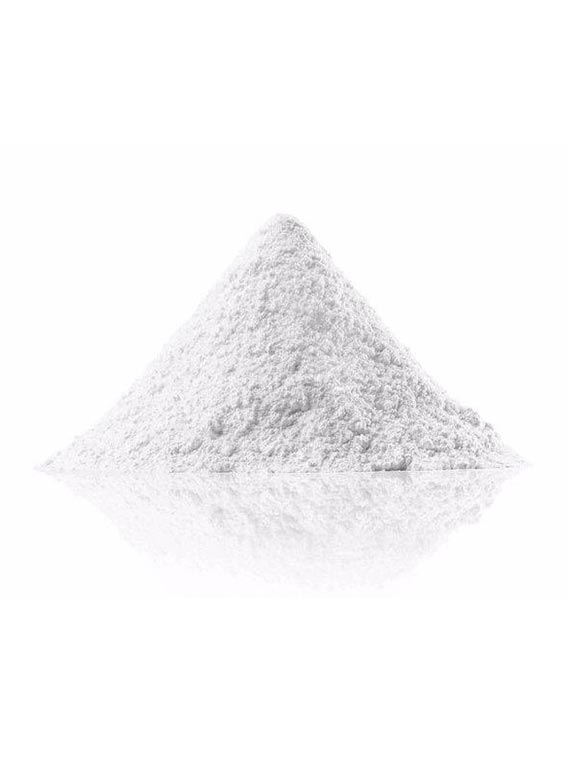
| Appearance | White to Off-White Crystalline Powder |
| Form | Micronized Crystalline Powder |
| Particle Size | 20-60 microns |
| Storage | -20°C, Desiccated, Argon Atmosphere |
| Packaging | Amber Borosilicate Vials with PTFE Seals |
| Available Quantities | 100mg, 250mg, 500mg, 1g, 5g |
| Documentation | COA, HPLC, NMR, MSDS, Stability Data, Residual Solvent Report |
| Shipping | Cryogenic, Temperature-Validated, Discrete |
| Origin | EU/GMP Certified Synthesis |
5-MeO-DMT Fumarate Powder | Premium Serotonergic Research Compound | BioSynLab
BioSynLab presents pharmaceutical-grade 5-MeO-DMT fumarate for advanced neuropharmacological research and comparative tryptamine studies. As the N,N-dimethyl analog of 5-methoxytryptamine, this substituted indolealkylamine serves as a critical reference standard for investigating 5-HT1A/5-HT2A receptor pharmacology, default mode network disruption, and structure-activity relationships among short-acting psychedelics.
Chemical Architecture & Salt Form Advantages
5-Methoxy-N,N-dimethyltryptamine fumarate represents the hemifumarate salt of the freebase compound, offering enhanced stability and handling characteristics for laboratory research:
Structural Features:
- 5-Methoxy Substitution: Electron-donating group at 5-position enhances lipophilicity and modulates receptor binding compared to unsubstituted DMT
- N,N-Dimethyl Substitution: Tertiary amine confers metabolic resistance to monoamine oxidase (MAO) degradation, though 5-MeO-DMT remains a MAO substrate
- Fumarate Counterion: Dicarboxylic acid salt provides crystalline stability, reduced hygroscopicity, and improved shelf-life vs. hydrochloride or freebase forms
Physicochemical Properties:
- pKa (indole NH): ~16.8 (DMSO)
- pKa (dimethylamino): ~8.9 (aqueous)
- LogP (calculated): 3.4 (freebase equivalent)
- Melting Point: 178-182°C (decomposition, fumarate salt)
- Chirality: Achiral (no stereocenters)
Fumarate Salt Benefits:
- Enhanced oxidative stability compared to freebase
- Reduced volatility (lower inhalation risk during handling)
- Improved crystallinity for X-ray diffraction studies
- Compatible with aqueous formulations at physiological pH
Analytical Characterization & Quality Verification
Each BioSynLab 5-MeO-DMT fumarate batch undergoes comprehensive analytical profiling:
Chromatographic Analysis:
- HPLC-UV (280nm): ≥99.0% purity by area normalization
- Chiral HPLC: Confirms absence of chiral impurities (achiral compound)
- Ion Chromatography: Fumarate counterion stoichiometry confirmation (1:1 ratio)
- Residual solvents: Meets ICH Q3C (methanol, ethanol, acetonitrile, ethyl acetate)
Spectroscopic Confirmation:
- ¹H NMR (500MHz, DMSO-d₆):
- Indole N-H: δ 10.85 (br s, 1H)
- Aromatic H-4, H-6, H-7: δ 6.95-7.25 (m, 3H)
- Methoxy: δ 3.78 (s, 3H, -OCH₃)
- N-CH₂: δ 3.08 (t, 2H, J=7.2Hz)
- CH₂-CH₂: δ 2.82 (t, 2H, J=7.2Hz)
- N(CH₃)₂: δ 2.32 (s, 6H)
- Fumarate H: δ 6.52 (s, 2H, olefinic)
- ¹³C NMR (125MHz): 19 distinct carbon signals
- FTIR: Fumarate C=O (1680, 1550 cm⁻¹), indole N-H (3400 cm⁻¹), C-O-C (1080 cm⁻¹)
- UV-Vis: λmax 218nm, 275nm, 280nm
- LC-MS/MS: [M+H]⁺ at m/z 219.1 (freebase), fragmentation pattern matching reference
Physical Testing:
- Water content: <0.5% (Karl Fischer)
- Heavy metals: <10 ppm (ICP-MS)
- Sulfated ash: <0.1%
- Specific rotation: N/A (achiral)
- X-ray powder diffraction (XRPD): Crystalline form confirmation
Powder Engineering & Research Handling
Our micronized 5-MeO-DMT fumarate powder (20-60μm) optimizes laboratory manipulation:
Solubility Profile:
- Dimethyl sulfoxide (DMSO): ≥100 mg/mL (preferred stock solvent)
- Methanol: ≥80 mg/mL
- Water (pH 5-6): ≥50 mg/mL (fumarate salt advantage)
- Ethanol: ≥60 mg/mL
- Phosphate-buffered saline (PBS): ≥30 mg/mL
- Acetonitrile: ≥40 mg/mL
Stock Solution Preparation:
- 10 mM aqueous stock: Dissolve 3.48mg in 1mL sterile water (pH adjusted to 5.5-6.5)
- Storage: -80°C in aliquoted portions to prevent freeze-thaw degradation
- Working solutions: Prepare fresh daily in physiological buffers
Handling Precautions:
- Anti-static measures: Grounded equipment, ionizing blowers (powder generates static)
- Light protection: Amber glassware or foil wrapping (photosensitive)
- Oxygen exclusion: Argon atmosphere for long-term storage
- Desiccation: Maintain <10% RH to prevent fumaric acid degradation
Research Applications & Scientific Significance
5-MeO-DMT fumarate serves critical functions in multiple research domains:
Neuropharmacology:
- 5-HT1A receptor affinity determination (nanomolar Kd values)
- 5-HT2A functional selectivity (Gαq vs. β-arrestin pathways)
- Default mode network (DMN) disruption quantification
- Receptor internalization kinetics (trafficking studies)
- Comparison with DMT (5-methoxy effect on duration/potency)
Psychopharmacology:
- Subjective effects modeling (mystical experience correlates)
- Tolerance and cross-tolerance investigations
- Set and setting experimental controls
- Therapeutic potential research (treatment-resistant depression models)
Forensic Toxicology:
- LC-MS/MS method development for biological matrices
- Retention time libraries for forensic screening
- Metabolite identification (6-hydroxy-5-MeO-DMT, bufotenin)
- Toad venom vs. synthetic differentiation (isotopic analysis)
Receptor Biochemistry:
- Radioligand binding assays ([³H]-5-HT, [¹²⁵I]-DOI competition)
- G-protein activation (GTPγS binding)
- Second messenger quantification (IP₁, calcium flux)
- Receptor crystallography (structural biology)
Comparative Studies:
- Structure-activity vs. 5-MeO-DiPT, 5-MeO-MiPT, 5-MeO-DALT
- Route of administration pharmacokinetic comparisons
- Species differences (rodent vs. human receptor homology)
Global Distribution & Licensed Research Supply
BioSynLab operates strict verification protocols for 5-MeO-DMT distribution given its Schedule I status in most jurisdictions:
Eligibility Requirements:
- DEA Schedule I research registration (USA)
- Home Office controlled drug license (UK)
- Health Canada exemption (Canada)
- Competent authority authorization (EU member states)
Packaging & Shipping:
- Cryogenic packaging: Dry ice (-78°C) with data loggers
- Discrete outer packaging: Unmarked, generic return addresses
- Documentation: Import/export permits, customs declarations prepared
- Insurance: Full value coverage with licensed courier services
- Chain of custody: Tamper-evident seals, signature required